
The Democratic Party’s Generational Rift: AOC’s Surge Among Youth Reveals Factions, While Independents Push for Real Solutions
Youth Flock to AOC's Vision as Elders Drift - Exposing Dem Divisions and Opening Doors for Independent Fixes

This poll highlights a clear generational split inside the Democratic Party—young voters chasing AOC’s progressive energy, older ones looking elsewhere—and it proves what working people already know: there’s no unified vision, just factions pulling in different directions. These are my views on the story, and they echo how many other independents feel the same way: frustrated with party infighting and ready to focus on affordability, accountability, and practical fixes that don’t wait for the next election cycle.
The Poll’s Stark Generational Divide
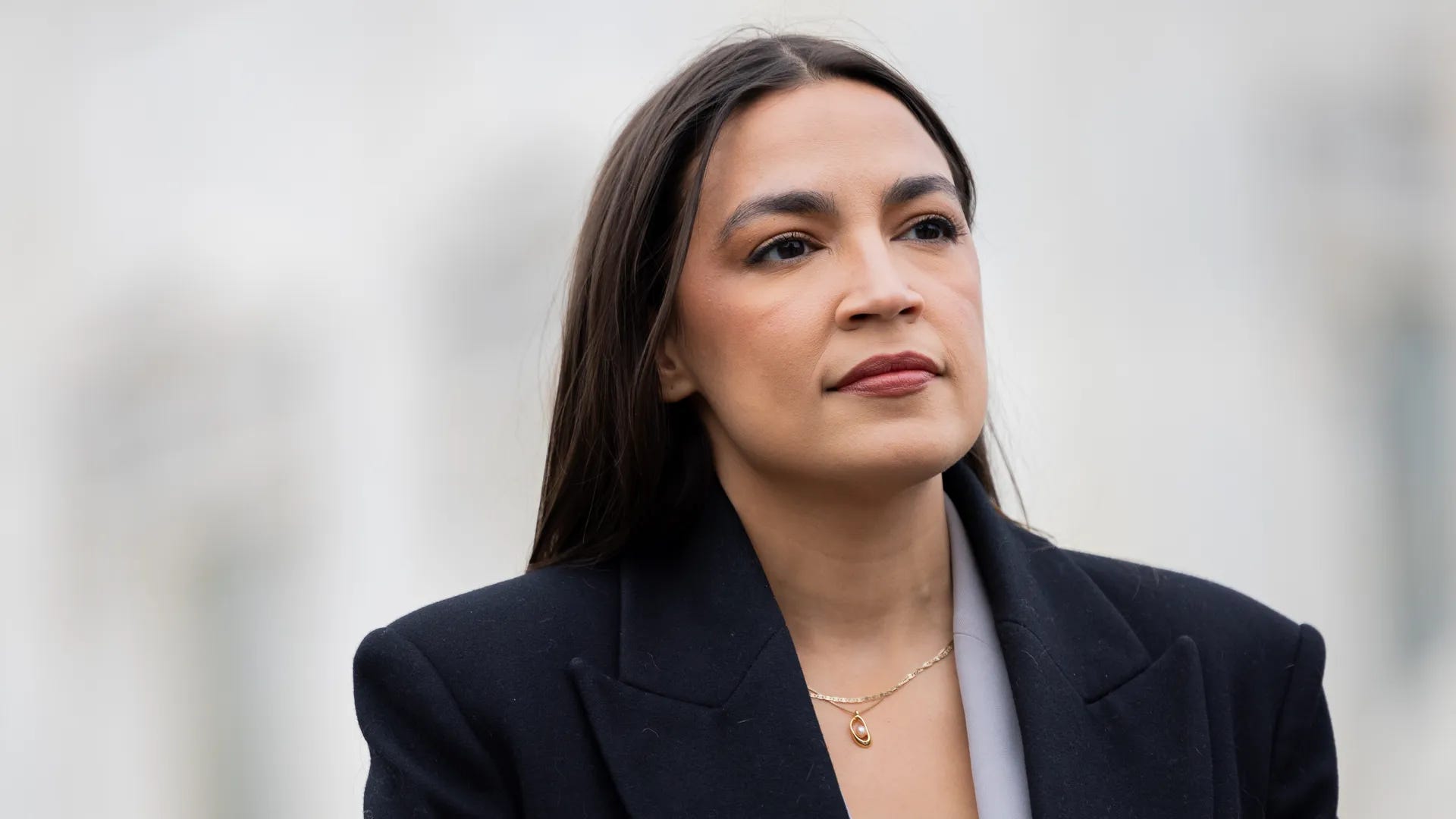
The Yale Youth Poll, released on Monday, shows Rep. Alexandria Ocasio-Cortez (D-N.Y.) leading among young Democratic voters in a hypothetical 2028 presidential primary. Among registered Democrats aged 18-22, AOC garners 30% support, ahead of Kamala Harris at 20% and Gavin Newsom at 12%. For 23-29-year-olds, her lead grows to 35%, with Harris at 15% and Newsom at 14%. In the 30-34 group, she holds 29%, topping Newsom (15%) and Harris (14%).
Support drops off sharply among older voters. For 35-44-year-olds, Harris leads with 30%, AOC at 25%. In the 45-64 bracket, it’s more divided: Harris at 23%, Newsom at 22%, Pete Buttigieg at 15%, and AOC at 11%. Seniors over 65 favor Newsom at 38%, with Buttigieg at 18%, Harris at 11%, and AOC at just 5%.
Overall, Newsom edges out with 25% of all Democrats, followed by Harris (18%), AOC (16%), and Buttigieg (14%). The survey, from October 29 to November 11, polled 3,426 registered voters (1,706 under 35), with margins of error at 1.7 points overall and 2.4 for youth. These numbers aren’t abstract—they reveal a party in flux. Younger Democrats are drawn to AOC’s calls for bold change on issues like climate and inequality. Older ones seem to prefer steadier hands, valuing experience over revolution. For many independents, this factionalism underscores why we’re turning away from both major parties: no clear path forward means stalled progress on everyday struggles.
Independents Step In Where Parties Falter
While Democrats sort out their identity crisis, many independents share the view that we need to prioritize what matters now: making life affordable, holding leaders accountable, and delivering solutions for families buried under bills. This isn’t about waiting until 2028; it’s about cross-aisle work on energy costs, healthcare access, and economic security that benefits everyone, not just one faction.
The poll also exposes a vulnerability: Democrats lack a strong, unifying candidate to face off against potential GOP heavyweights like JD Vance. With his populist style and focus on working-class issues, Vance could exploit these divisions. Independents see this as an opportunity to offer a non-partisan alternative, emphasizing shared goals over ideological battles.
AOC’s Path Forward: Center Without Compromising Core Beliefs
If AOC aims to build on her youth support for a 2028 run, she’ll need to center herself—like Obama did to win over his party and the nation. Obama started as a fresh progressive but pivoted to themes of unity and pragmatism, securing broad coalitions without ditching his base on healthcare or equality.
AOC can keep her core beliefs on green jobs and justice intact—no one expects her to alienate supporters. But to expand her appeal, she must moderate her approach, tackling centrist concerns like inflation and national security. The poll’s age-based drop-off is a red flag: Youth enthusiasm is vital, but winning requires bridging to older voters who prioritize stability. Without centering, her chances stay slim in a divided party.
Successful Democrats have done this before—Clinton with triangulation, Biden as a bridge-builder. AOC’s energy is a strength, but adapting could turn her lead among the young into something bigger.
Time for Real Change Beyond Party Lines
This poll captures American politics at a crossroads. Democrats’ lack of a clear leader means more internal strife ahead. For many independents, it’s confirmation that we need voices outside the factions—ones committed to oversight as a duty, not a weapon, and policies that put people first.
Working families can’t pause life for party soul-searching. The view shared by independents is simple: Let’s cut the drama and get to solutions on costs, jobs, and trust. As 2028 approaches, independents may well fill the leadership gap left by fractured establishments.