

Gavin Newsom: Epic Failures of a Golden State Governor
A deep dive into Newsom’s political record, media image, and why his scandals could derail Democrats in 2028.

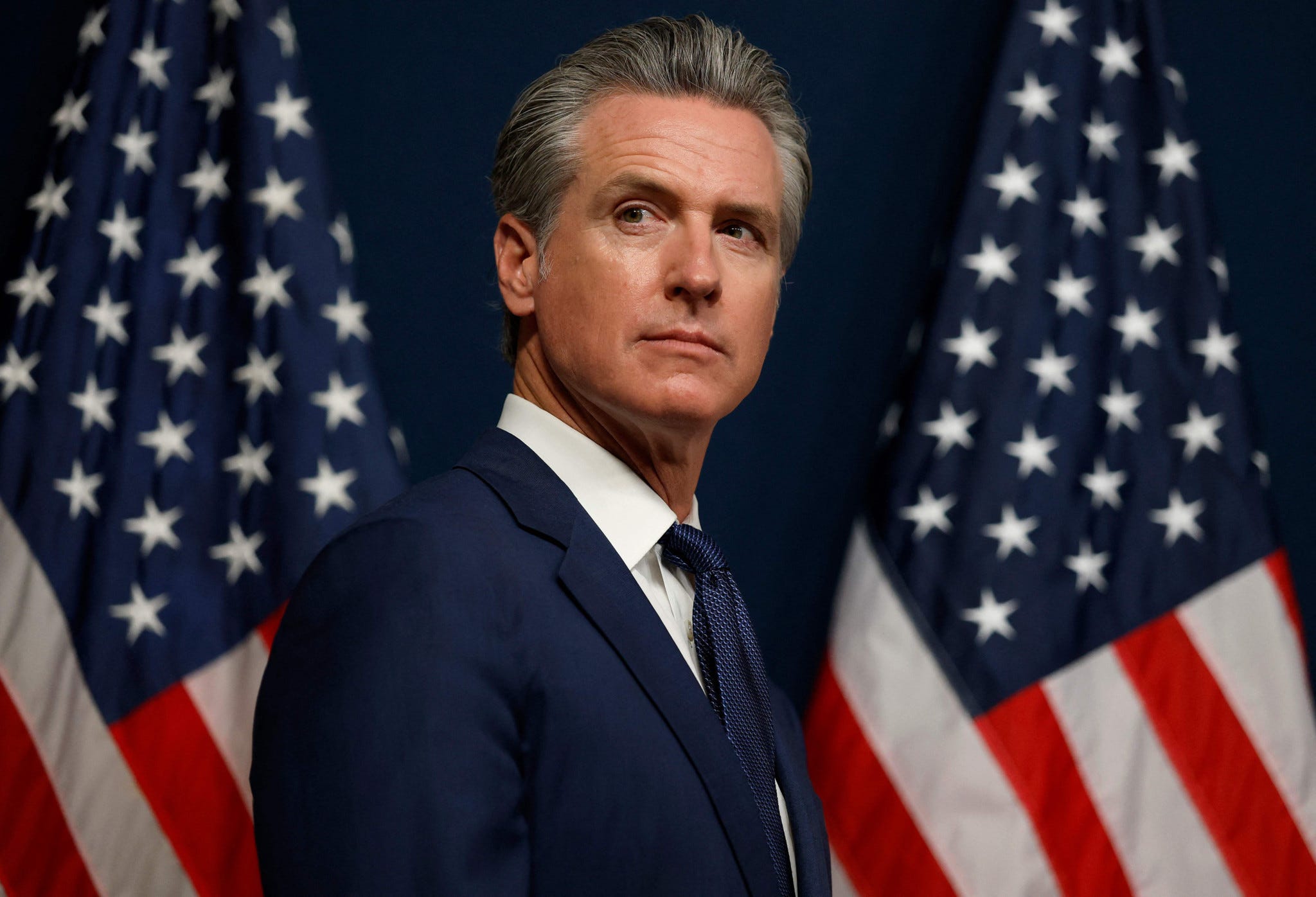
Gavin Newsom, California’s 40th governor since 2019, has positioned himself as a progressive powerhouse, championing climate action, social justice, and national Democratic causes. Yet, beneath the polished image and frequent cable news appearances lies a record riddled with policy missteps, fiscal disasters, and ethical lapses that rank him among the state’s most ineffective leaders in history. From exploding homelessness to mass population exodus, his tenure has drawn sharp rebukes from critics across the spectrum, with some dubbing him “the worst governor in America’s history.” As whispers of a 2028 presidential run grow louder—fueled by his re-election in 2022 and post-2024 election maneuvering—Newsom’s California baggage could prove fatal for Democrats seeking a unifying figure. This fact-based analysis delves into the bad (policy failures), the ugly (scandals), and why his ambitions may doom rather than elevate the party.
The Bad: A Legacy of Policy Failures and Unmet Promises
Newsom’s governance has been plagued by ambitious promises that crumbled under execution, exacerbating California’s longstanding challenges rather than resolving them. Critics point to a “top 10 failures” list, including the worst homelessness crisis in the nation despite over $24 billion spent on prevention programs from 2018 to 2022. Homelessness has surged, with California accounting for nearly half of the U.S. unsheltered population, turning cities like San Francisco and Los Angeles into symbols of urban decay. Initiatives like housing homeless in luxury hotels during COVID offered temporary optics but failed to stem the tide, with encampments, drug use, and related public health issues persisting.
Economically, Newsom’s California has hemorrhaged residents and businesses. Over 800,000 people have fled since 2019, citing high taxes, regulations, and living costs—prompting companies like Tesla and Oracle to relocate to states like Texas. His pledge to build 3.5 million new housing units by 2025 has fallen woefully short, with the state ranking last in per-capita homebuilding, driving rents sky-high. A staggering $73 billion budget deficit emerged after surpluses were squandered on pet projects, including the high-speed rail fiasco, now over $100 billion over budget and years behind schedule. Public X posts echo this frustration, with users labeling him the “worst governor ever” for turning the Golden State into a “cautionary tale.”
Crime rates have also spiked under Newsom’s watch. His support for Propositions 47 and 57, which reduced penalties for theft and allowed early release of felons, correlated with a 13% rise in violent crime in 2022, bucking national declines. Smash-and-grab robberies and lax enforcement have become commonplace, with sheriffs blaming his “soft-on-crime” stance. Education fares no better: Two-thirds of students fail math standards despite top-tier per-pupil spending, worsened by prolonged school closures during COVID—while Newsom’s own children attended private schools.
Energy policy adds to the indictment. Gas prices, 50% above the national average, stem from aggressive green mandates and taxes, leading to blackouts and infrastructure strains. Recent X sentiment amplifies this, with posts decrying his handling of wildfires, fentanyl deaths, and unaccounted homeless funds as evidence of “failure.” In a 2025 Consumer Reports study, California ranked dead last as a place to raise a family, underscoring systemic breakdowns.
The Ugly: Scandals, Hypocrisy, and Ethical Shadows

Beyond policies, Newsom’s tenure is marred by personal and administrative scandals that erode trust. The infamous French Laundry incident in 2020—where he dined maskless at an elite restaurant amid strict COVID lockdowns he imposed on Californians—epitomized “rules for thee, not for me” hypocrisy, sparking widespread outrage. More recently, in November 2025, his former chief of staff, Dana Williamson, was indicted on 23 federal charges of corruption, bank fraud, and stealing campaign funds—rocking Sacramento and casting shadows on Newsom’s inner circle. The scheme allegedly involved funneling money through dormant committees, implicating ties to other high-profile Democrats.
Other controversies include his handling of the state’s $50 billion in welfare fraud, dwarfing similar issues elsewhere, and accusations of wasteful spending on immigrant healthcare amid budget woes. X users have piled on, calling out his “chronic lying” and predicting he’ll “never be president.” Even supporters on Reddit admit his charisma masks deeper issues, with one thread debating his “poor choice” for higher office due to these stains.
Why Newsom Isn’t the Democrats’ 2028 Answer
As Democrats lick their wounds from 2024, Newsom has emerged as a frontrunner for 2028, bolstered by his media savvy and anti-Trump rhetoric. He’s hinted at ambitions, from Proposition 50’s passage signaling national appeal to D.C. trips for federal aid. Yet, his California record is a liability. Critics argue his radical ties, like to state Senator Scott Wiener, could alienate moderates. A Reddit CMV post calls him a “poor choice,” citing his unpopularity outside blue strongholds and failure to deliver on progressive promises.
Nationally, his state’s woes—deficits, crime, exodus—mirror Republican attack lines, making him vulnerable in swing states. Polls show mixed approval (around 52%), with half of Californians viewing a Newsom presidential run unfavorably. His strained relationship with Kamala Harris, a potential rival, complicates party unity. X chatter reinforces this, with users declaring his career “over” amid scandals.
Moreover, recent polling reveals vulnerabilities that could derail his nomination. While the RealClearPolling average as of November 2025 shows Newsom leading at 25.8% nationally, ahead of Harris at 20%, trends indicate inconsistency. A Morning Consult poll from mid-November had Harris surging to 29% over Newsom’s 20%, and an October Noble Predictive Insights survey placed Harris at 33% among Democrats versus Newsom’s 13%, marking a sharp decline from his August lead of 25% to Harris’s 19% in a POLITICO poll. This slip followed Newsom’s anti-Trump social media push, suggesting overexposure or backlash.
Demographically, Newsom trails Harris in critical groups: Black voters (23% vs. 54%), young adults under 30 (18% vs. 44%), women, Southerners, and low-income earners (under $50,000: 18% vs. 36%). He edges out only in the West (30% to 25%) and among seniors 65+ (29% to 18%), highlighting limited broad appeal. Even in California, a CBS/YouGov poll from October shows voters split on his presidential bid, with independents more favorable to him than Harris but most overall not supportive, and his gubernatorial approval positive but not translating to national enthusiasm.
Fierce competition from figures like Pete Buttigieg (11.5% in averages), AOC (8.5%), and governors like Shapiro and Whitmer further fragments the field. Post-2024, Democrats may seek a moderate or Midwestern candidate to recapture swing states, viewing Newsom’s progressive California ties as alienating to centrists. Combined with scandals and policy flops, these factors—evident in polling volatility and demographic gaps—could prevent him from securing the nomination, risking a repeat of 2024’s divisions.
Conclusion: A Cautionary Tale for California and Beyond
Gavin Newsom’s governorship invites comparisons to recalled predecessors like Gray Davis, defined by crises and unfulfilled potential. While he touts climate wins and a resilient spirit amid 2025 disasters, the facts paint a picture of decline. For Democrats eyeing 2028, betting on him could amplify vulnerabilities rather than inspire. As one X post quips, “Gavin Newsom is the problem.” California—and the nation—deserves better.