

Congressional Comebacks: John Cornyn’s Texas Tightrope
An Independent’s Perspective on GOP Infighting, Primary Perils, and Paths to Victory in a Red State

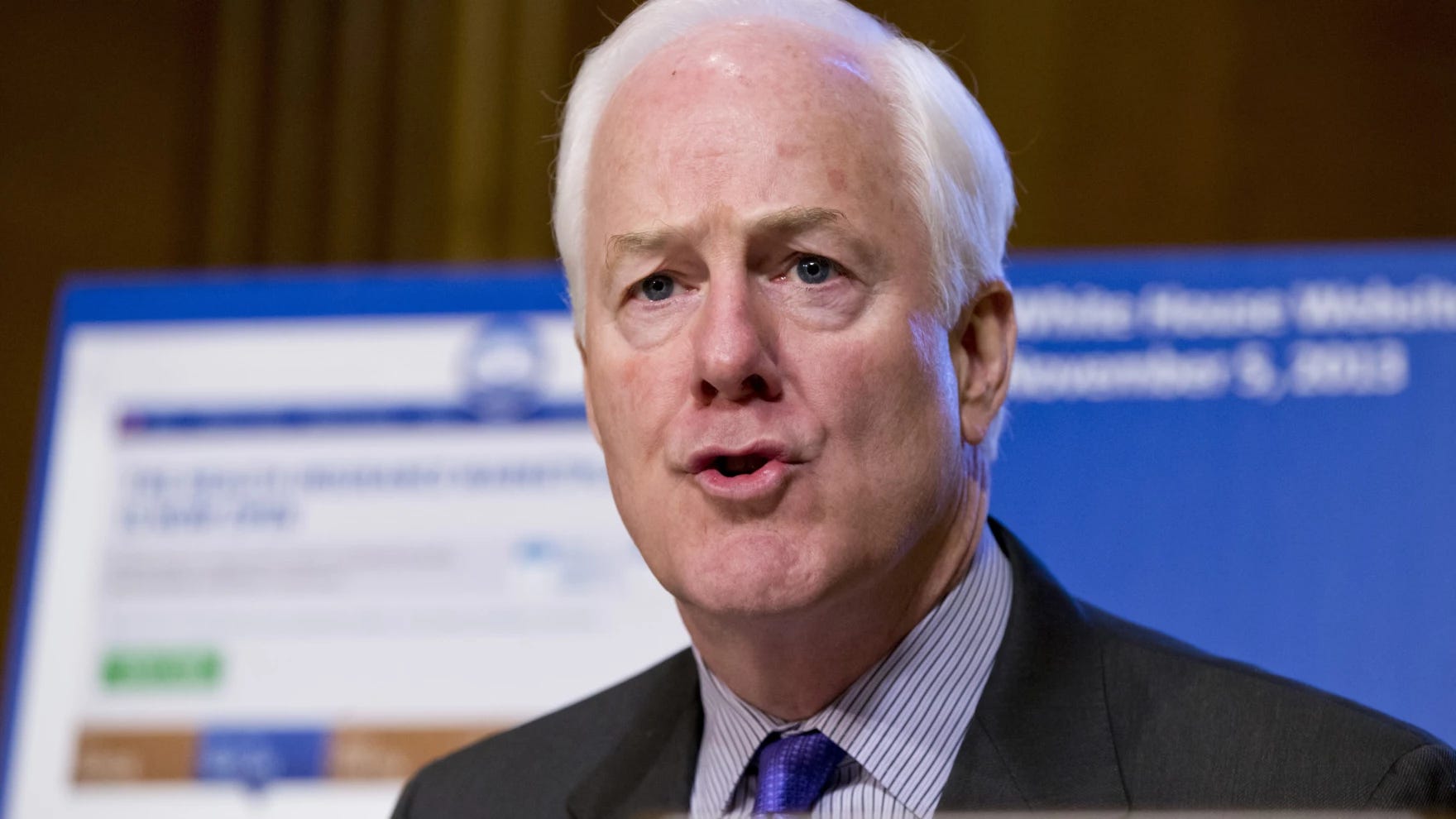
As an independent, observing Sen. John Cornyn’s (R-TX) bid for a fifth term in 2026 feels like watching a high-stakes GOP family feud. A Senate veteran since 2002, Cornyn has built a reputation as a reliable conservative, but his current race is mired in primary challenges that could derail him before the general election. With the Republican primary set for March 3, 2026, and the general on November 3, this analysis breaks down the good (his strengths), bad (weaknesses), ugly (brutal realities), and fixes (strategies to endure). Many independents share my view: Cornyn’s experience is an asset, but party purity tests and establishment baggage highlight why voters crave options beyond factional wars.
The Good: Establishment Powerhouse with Fundraising Muscle and Legislative Wins
John Cornyn, 73, brings decades of clout to the table. As a former Senate Majority Whip and current chair of the National Republican Senatorial Committee, he’s a master fundraiser, raising over $10 million in recent cycles and boasting a war chest north of $30 million spent already in 2025 to shore up his primary. His legislative record appeals to conservatives: authoring the bipartisan Safer Communities Act (post-Uvalde gun reforms), pushing border security bills, and championing energy policies vital to Texas’s oil economy.
Cornyn’s statewide wins—landslides in past generals (e.g., 62% in 2020)—show broad GOP support, and his endorsement network includes key figures like Gov. Greg Abbott. Polls reflect pockets of strength: In head-to-heads, he’s tied or slightly ahead of Paxton in recent surveys, with 44% in a September 2025 UH/TSU poll. Independents appreciate his pragmatism, like voting for infrastructure deals, positioning him as a bridge-builder in a polarized Senate. X sentiment echoes this: Supporters call him “steady leadership for Texas.” If he survives the primary, the general looks winnable against Dem challengers like Rep. Jasmine Crockett or state Rep. James Talarico in deep-red Texas.
The Bad: Sluggish Polling and Establishment Label in a Populist Era
Cornyn’s vulnerabilities start with stagnant support. Despite heavy spending, his primary numbers hover around 36-38% in multi-candidate polls, up only marginally from early 2025. In an August 2025 Emerson poll, he and Paxton were in a dead heat; a Change Research survey showed him trailing by 5 points. His favorability among GOP voters is middling, hurt by perceptions of being too “Washington.”
As an establishment figure, Cornyn’s bad optics include his brief flirtation with Senate leadership post-McConnell, which alienated base purists. Limited crossover appeal to independents (who make up 40% of Texas voters) stems from his loyalty to party orthodoxy on issues like abortion bans, alienating moderates. Fundraising leads Paxton and Hunt, but opponents tap grassroots donors frustrated with “RINOs.” Independents see this as symptomatic: Solid on policy but out of touch with anti-elite sentiment.
The Ugly: Primary Threats from Paxton and Hunt, Plus Trump Wildcard
The ugly core is a fractured GOP primary. Ken Paxton, the impeached AG, leads with 43-56% in polls, fueled by his Trump-aligned populism and attacks on Cornyn’s “weak” border stance and vote to convict Trump in 2021. Rep. Wesley Hunt adds a three-way split, pulling 10-15% and diluting Cornyn’s share to 31-33%. Historical parallels are grim: Incumbents like Richard Lugar lost in 2012 with similar static support.
Trump’s endorsement remains undecided—he’s praised both Cornyn and Paxton—creating uncertainty. Paxton’s scandals (bribery acquittal, personal issues) are ugly too, but his base loyalty trumps them. If no one hits 50%, a May 26 runoff favors outsiders, where turnout drops 20-30% and extremists thrive. On the Dem side, Crockett’s entry shakes things up, but Texas’s red tilt means the primary winner likely takes all—unless GOP bloodletting weakens them. Independents view this infighting as democracy’s dark side: Parties prioritizing purity over progress.
The Fix: Unify the Base, Leverage Attacks, and Court Independents
To salvage his seat, Cornyn needs aggressive fixes—strategies independents often endorse for bridging divides. First, escalate attacks: His allies’ $30M ad blitz should hammer Paxton’s scandals and Hunt’s inexperience, framing them as distractions from real issues like energy jobs. Boost visibility with town halls in rural Texas, emphasizing conservative wins on guns and taxes.
Second, unify Republicans: Court Trump’s endorsement subtly, highlighting shared border hawkishness. Hire populist advisors to tweak messaging—stress “America First” without alienating moderates. In a runoff, mobilize high-propensity voters via super PACs.
Third, broaden appeal: For the general, pivot to independents with bipartisan nods, like infrastructure successes. Raise $50M+ total, outspending Dems like Crockett (who just entered with strong name ID but limited statewide pull). Without these, he’s at risk; with them, he could win by 10-15 points in November. Independents believe adaptation is key—stick to establishment ways, and the base revolts.
Wrapping Up: A Referendum on GOP Unity
John Cornyn’s 2026 race tests whether experience trumps insurgency in Texas GOP. As an independent, I see value in his steadiness but ugly fractures that could cost Republicans dearly. If he fixes his primary woes, victory awaits; otherwise, it’s a cautionary tale for incumbents. This midterm preview underscores the need for voices beyond party drama—watch how Texas shapes the Senate map.