
Congressional Comebacks: Don Davis’s Uphill Battle in NC-1
An Independent’s Take on the Good, Bad, Ugly, and Fixes for a Redrawn Red Seat

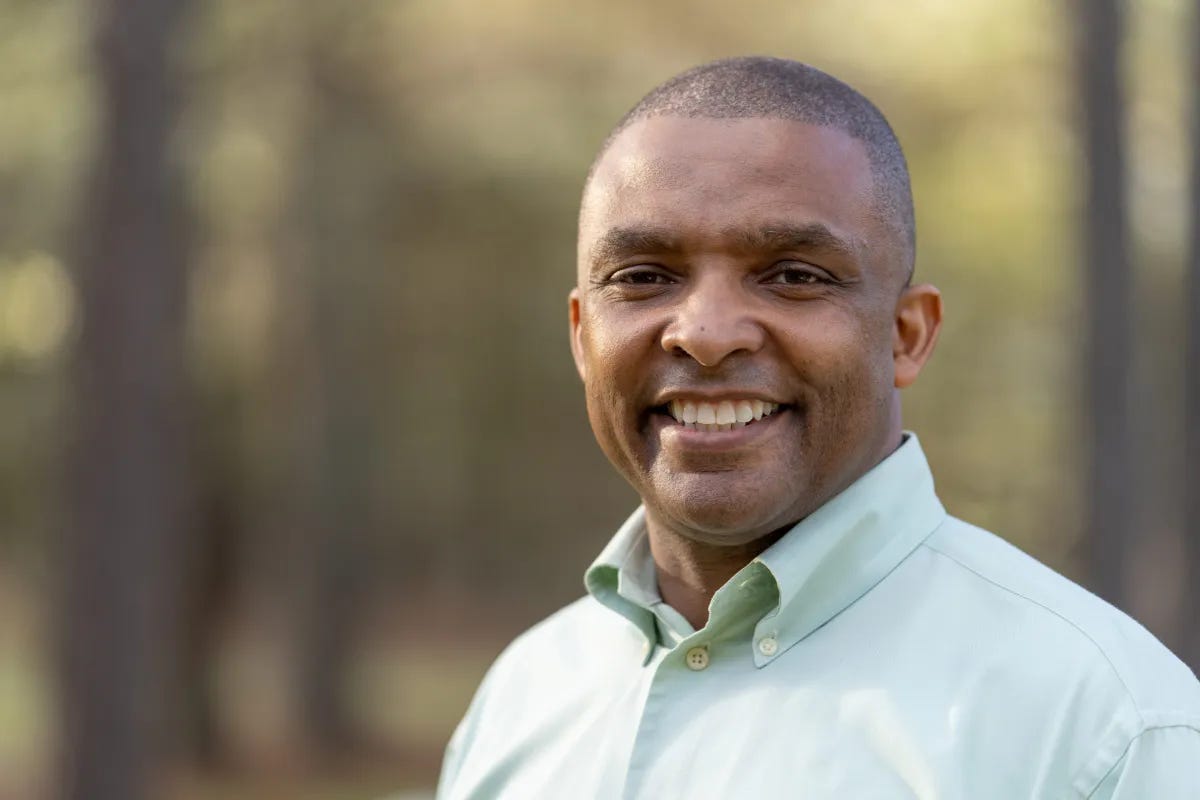
As an independent, watching Rep. Don Davis (D-NC) gear up for reelection in 2026 despite a brutal GOP redistricting feels like a classic underdog story in American politics. Elected in 2022 to North Carolina’s 1st District, Davis has navigated a shifting landscape, but the latest map redraw—approved by federal judges just last week—turns his once-competitive seat into a Republican fortress. This series spotlights incumbents at risk, breaking down the good (strengths), bad (weaknesses), ugly (harsh realities), and fixes (strategies to survive). For Davis, it’s a test of resilience in a state where gerrymandering reigns. Many independents share my view: Admire his grit, but question if party loyalty blinds him to broader voter appeals needed to win.
The Good: A Proven Fighter with Local Roots and Bipartisan Appeal
Don Davis, 54, brings a compelling backstory to Congress: Air Force veteran, former state senator, and Baptist minister from Snow Hill, NC. Elected in 2022 after a close win (52%-48%) in a district that Biden carried by just 2 points, he’s shown he can outperform the top of the ticket. In 2024, he held on amid a red wave, leveraging his moderate stance and focus on rural issues.
His House tenure highlights strengths independents value: Bipartisan efforts on veterans’ affairs (he’s on the Armed Services Committee) and agriculture (key for eastern NC’s farms). He’s co-sponsored bills like the Farm Bill extensions and pushed for broadband expansion in underserved areas. Davis touts his “common-sense” approach, voting against some progressive priorities (e.g., opposing aspects of Biden’s Build Back Better) while supporting infrastructure deals. His fundraising is solid—$3.2 million raised in 2024—and he enjoys strong Black voter turnout in his base, which makes up about 40% of the district. Social media buzz on X shows supporters praising his resilience: “Davis won’t back down from GOP maps.” As a rare rural Democrat, he embodies crossover potential in a divided era
The Bad: Polarizing Votes and Limited National Profile
Despite his wins, Davis’s record has drawbacks that could haunt him. His moderate votes—backing border security measures and opposing student loan forgiveness expansions—have alienated some progressives in the Democratic base, leading to whispers of a primary challenge. Fundraising lags behind GOP heavyweights; while he raised well in 2024, national Dem support might wane for a now-redder seat.
His district’s evolution exposes vulnerabilities: Once a swing area, it’s now packed with conservative rural counties, diluting urban Democratic strongholds like Greenville. Davis’s emphasis on local pork (e.g., military base funding) is good, but critics say he’s too tied to party leadership, voting with Biden 92% of the time. Independents like me see this as a bad fit—his reluctance to break ranks more often limits appeal to swing voters wary of DC partisanship. Low name recognition outside NC hurts too; he’s not a viral figure, relying on ground game over media splash.
The Ugly: Gerrymandering’s Harsh Reality and a Trump-Friendly Map
The ugly truth? North Carolina Republicans redrew the map in October 2025 specifically to target Davis, shifting NC-1 from Biden +2 to Trump +12 (or more in some estimates). The new boundaries add conservative strongholds like Dare County (Outer Banks) and remove Democratic-leaning areas, aiming to flip the seat and boost GOP’s House majority to 11-3 in the state. Federal judges greenlit it last week, sealing the deal for 2026.
Davis announced his run on December 1, 2025, vowing to fight, but the math is brutal: In a midterm with potential anti-Dem winds (post-Trump’s 2024 win), turnout favors Republicans. GOP challengers like state Sen. Buck Newton or others are lining up, backed by national funds. X posts highlight the gerrymander outrage: “NC GOP rigging maps to oust Davis.” Independents decry this as democracy’s ugly side—partisan maps over fair fights—leaving Davis as collateral in a power grab.
The Fix: Strategies to Defy the Odds and Save His Seat
To have a prayer in this redrawn red seat, Davis needs bold fixes—echoing what many independents advocate for survival in tough terrain. First, double down on localism: Tour the new conservative counties relentlessly, emphasizing veteran support, farm aid, and anti-inflation measures that resonate rurally. Highlight bipartisan wins, like his votes for border security, to peel off GOP moderates.
Second, ramp up fundraising and organization: Aim for $5-7 million, tapping national Dem groups like the DCCC while courting independents via PACs focused on rural issues. Build a massive ground game—door-knocking in added areas—to boost Black and young voter turnout, which could close a 10-point gap if energized.
Third, moderate messaging without flipping: Stress “common-sense solutions” over progressive labels—talk jobs from military bases, not national hot-buttons like abortion (though support it quietly). Hire cross-aisle staff or advisors to craft appeals that transcend party, perhaps endorsing local GOP on non-partisan issues for credibility.
Finally, turn the map into a rallying cry: Frame the race as “people vs. politicians,” suing over gerrymandering if viable (though courts approved it) or using it to mobilize anti-establishment voters. Independents believe this could work if he pivots to outsider status, but without changes, he’s toast. Polls project a GOP flip, but Davis’s history of upsets gives hope.
Wrapping Up: A Litmus Test for Midterm Mayhem
Don Davis’s 2026 fight embodies the raw edge of redistricting wars—good intentions clashing with ugly tactics. As an independent, I see potential in his resilience, but the fixes demand agility in a polarized world. If he adapts, it could inspire; if not, it’s another Dem loss in the South. Watch this race: It previews how maps reshape Congress, and whether underdogs can still win.